


The entertainment industry has always been a dynamic reflection of cultural shifts, technological advancements, and evolving consumer expectations. Bu
The entertainment industry has always been a dynamic reflection of cultural shifts, technological advancements, and evolving consumer expectations. But in 2025, the transformation is unlike anything seen before. From AI-driven production and immersive virtual experiences to evolving streaming economics and global content expansion, entertainment has become one of the most competitive and innovative business sectors in the world.
This article explores the forces shaping the modern entertainment landscape, the changing business models, emerging technologies, and how creators and companies are navigating the next frontier of digital entertainment.
1. The Streaming Wars Evolve Into a Global Ecosystem
The competition among streaming platforms has intensified over the last decade, shifting from a U.S.-centric battle to a truly global industry. Platforms such as Netflix, Disney+, Amazon Prime Video, and regional services now compete on content, localized experiences, and pricing strategies.
Key developments in streaming economics:
• Content Diversification
Platforms are investing heavily in:
-
International films and series
-
Local-language productions
-
Niche documentaries and reality shows
This helps them appeal to diverse audiences and reduce reliance on a single market.
• Tiered Subscription Models
Ad-supported tiers, premium ad-free plans, and mobile-only subscriptions allow services to reach broader demographics. Bundling—including partnerships with telecoms, gaming platforms, and social networks—has become a major revenue driver.
• Live Streaming and Event-Based Content
Live concerts, sports, comedy specials, and interactive events are expanding the definition of streaming entertainment.
These changes show that streaming is no longer just about on-demand movies—it’s a multi-layered ecosystem blending creativity, technology, and business strategy.
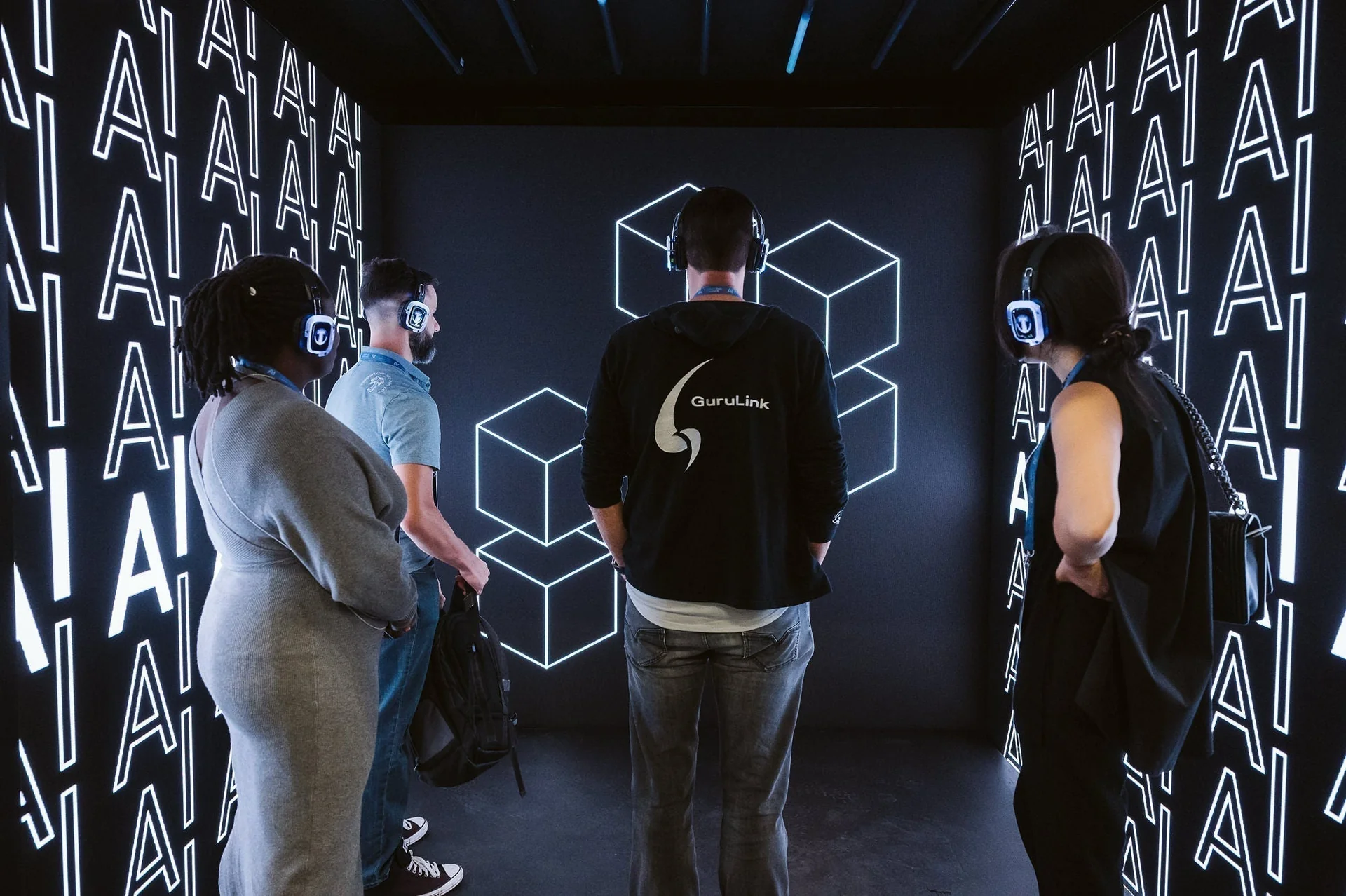
2. AI and Automation Transform the Creative Process
Artificial intelligence has become a major disruptor in entertainment production, helping reduce costs, accelerate workflows, and expand creative possibilities.
a. Scriptwriting and Pre-Production
AI tools assist writers by:
-
Analyzing audience trends
-
Generating story concepts
-
Predicting content performance
Studios use data-driven insights to greenlight projects more effectively.
b. Visual Effects and Animation
AI-powered rendering and automation tools streamline:
-
CGI creation
-
Scene editing
-
Motion capture enhancements
This allows smaller studios to compete with major players.
c. Personalized Content Creation
AI can generate customized entertainment experiences, such as:
-
User-tailored music playlists
-
Interactive storytelling
-
Immersive AR/VR environments
While AI cannot replace human creativity, it amplifies it—enabling faster production cycles and innovative forms of expression.
3. Expanding Revenue Models: Beyond Box Office and Subscriptions
The modern entertainment economy is diverse, with multiple revenue streams contributing to profitability.
• Merchandising and Licensing
Films, games, and franchises increasingly rely on merchandise, branded products, and licensing partnerships. Successful IP can generate billions through clothing lines, collectibles, toys, and theme park attractions.
• Gaming Integration
The gaming sector has overtaken film and music in global revenue.
Entertainment companies are creating:
-
Movie-based games
-
In-game advertisements
-
Virtual celebrity collaborations
-
Cross-platform franchises
This synergy increases brand awareness and lifetime value of content.
• Events and Live Experiences
Concerts, conventions, and immersive pop-up events remain powerful revenue channels. Hybrid formats—combining physical events with live streaming—attract global audiences.
• Creator Economy Partnerships
Brands collaborate with influencers, podcasters, streamers, and content creators, who now rival traditional celebrities in marketing impact. These partnerships are essential for audience engagement and digital storytelling.
4. The Rise of Immersive Entertainment
Virtual reality (VR), augmented reality (AR), and mixed reality (MR) have opened new doors in entertainment and business.
Immersive experiences include:
-
VR concerts and festivals
-
AR-enhanced sports events
-
Virtual theme parks
-
Interactive film experiences
-
Hologram-based performances
Why immersive entertainment is growing:
-
Advances in hardware make devices more accessible
-
Fans crave deeper connection and engagement
-
Major tech companies are investing heavily in metaverse-style platforms
In entertainment business terms, immersive tech increases user engagement and opens up new monetization opportunities.
5. The Power of Franchise Entertainment and Shared Universes
Franchises continue to dominate the entertainment industry because they guarantee high audience engagement and cross-platform potential.
Popular franchise strategies include:
-
Cinematic universes
-
Spin-off series
-
Video game tie-ins
-
Graphic novels and books
-
Merchandising and collectibles
-
Theme park attractions
Franchises such as Marvel, Star Wars, and anime-based properties demonstrate how interconnected storytelling can create long-term business success.
6. Global Markets Lead the Industry Forward
Entertainment is becoming more globalized than ever before.
Key factors driving global expansion:
• Localization
Studios invest in dubbing, subtitling, and culturally relevant adaptations to reach global audiences.
• International Collaborations
Production partnerships between countries create hybrid content that appeals to multiple markets.
• Rising Regional Industries
Asia, Africa, Eastern Europe, and Latin America are rapidly becoming entertainment powerhouses, producing globally successful films, series, and music.
• Cultural Exchange
Audiences are more open than ever to consuming content from different cultures—K-pop, anime, Scandinavian noir, and Nollywood productions are strong examples.
This globalization expands revenue streams and fosters cultural diversity in entertainment.
7. Ethical and Regulatory Challenges
As entertainment evolves, companies face new ethical and business challenges.
• Data Privacy
Streaming platforms collect massive amounts of user data, raising concerns about transparency and consent.
• AI and Copyright
The use of AI-generated content sparks debates about intellectual property and the rights of human creators.
• Fair Compensation for Creators
Actors, writers, and musicians increasingly demand fair wages, especially with digital distribution and streaming royalties changing traditional payment structures.
• Diversity and Representation
Audiences expect authentic representation. Companies that fail to address inclusion often face criticism and loss of loyalty.
Managing these issues is essential for sustaining trust and long-term industry growth.
8. The Future of Business and Entertainment
Looking ahead, several trends are likely to shape the industry:
• Hyper-Personalized Content
Algorithms will tailor entertainment to individual tastes, offering custom storylines and interactive features.
• Blockchain and Digital Ownership
NFTs and blockchain technology may redefine ownership of music, art, and digital collectibles.
• Hybrid Reality Stages
Concerts and performances will blend physical and virtual participation.
• Creator-Owned IP
More creators will develop independent brands and monetize content directly through subscription platforms and fan communities.
• Sustainability in Production
Studios will adopt eco-friendly filming techniques, reducing carbon footprints and waste.
These innovations will reshape the economics and creativity of entertainment for decades to come.

Conclusion
The business of entertainment in 2025 is a powerful blend of creativity, technology, and global strategy. As streaming platforms compete, AI reshapes production, and immersive experiences expand, the industry is entering a new era defined by innovation and audience engagement. Success now depends on adaptability, collaboration, and the ability to connect with consumers across cultures and platforms.
Whether you’re a creator, entrepreneur, investor, or fan, the future of entertainment offers limitless possibilities—and the next big transformation is already on the horizon.

COMMENTS